My solar setup – what I have at home, what it cost and how it works

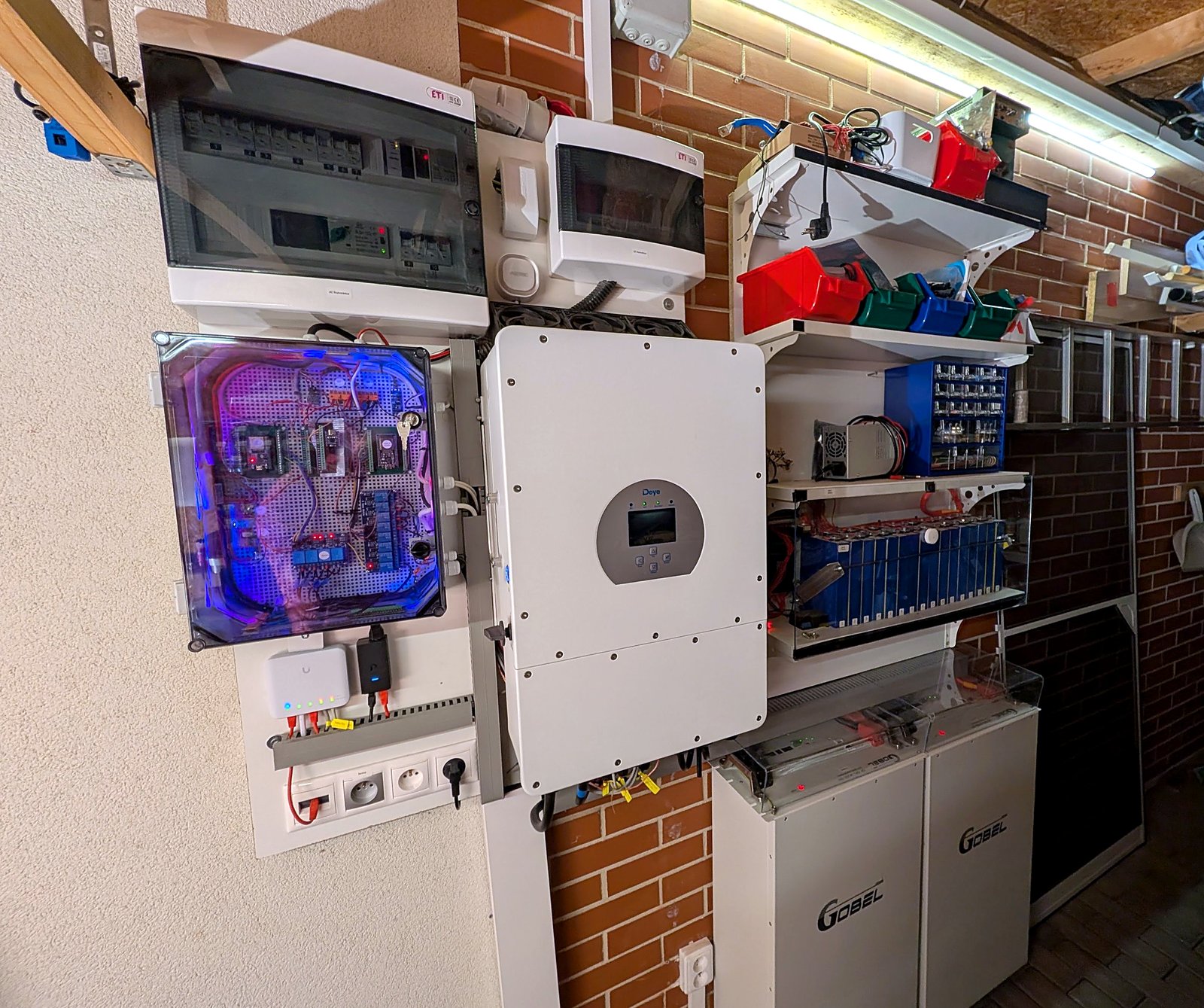
I have 28 panels (~13.9 kWp), a Deye 10 kW inverter and a DIY LiFePO4 battery of ~34 kWh. I installed it all myself and had it inspected by an electrical inspector – that is why it cost only ~€8,000 including the battery. I run it from Home Assistant – the battery buys and sells electricity on its own based on spot prices. Here is what it is made of and how it fits together.
I write a lot about solar on this site, often in depth. This article is the opposite – a simple overview of what I really have at home. If you want to go further, each part ends with a link to a detailed article.
Everything on one page
| Part | What I have |
|---|---|
| Panels | 22 × JA Solar JAM60D41 LB 500 Wp (SE/NW 11 : 11) + 6 × DAH frameless ~480 Wp, ~13.9 kWp in total |
| Inverter | Deye SUN-10K-SG04LP3-EU – hybrid, 10 kW, 3-phase |
| Battery | LiFePO4 ~34 kWh: 2 × 280 Ah + 1 × 10⁵ Ah |
| BMS | 3 × JK BMS (one per battery), into Home Assistant via ESP |
| Battery metering | Victron SmartShunt on the whole bank |
| Monitoring | Solarman, Deye Cloud and above all Home Assistant |
| Production forecast | Solcast |
| Grid export limit | 10 kW |
| Main breaker | 3 × 25 A |
| Installation | DIY, checked by an independent electrical inspector |
| Price | ~€8,000 in total (DIY installation), battery ~€3,500 of that |
Panels and inverter
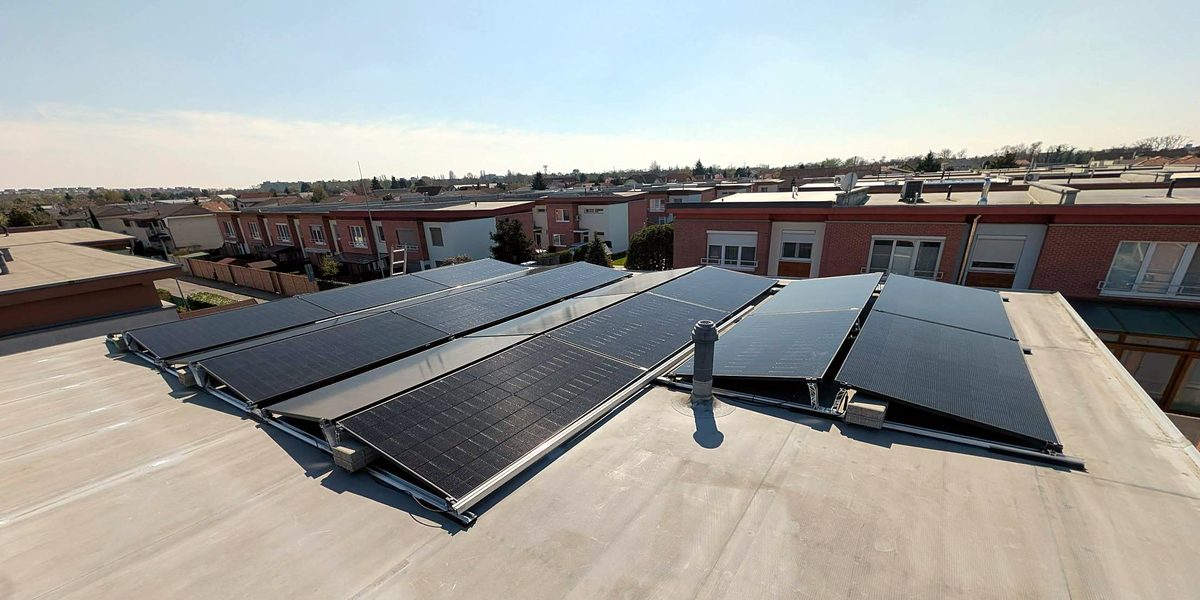
I have 22 JA Solar JAM60D41 LB panels, 500 Wp each. Half face south-east, half north-west (11 : 11). On top of that there are 6 frameless DAH panels of about 480 Wp. That is roughly 13.9 kWp in total.
The Deye inverter is rated 10 kW and is three-phase. It is a hybrid inverter – it handles panels, battery and grid at once and can be controlled from Home Assistant.
Production is forecast by Solcast. In my experience real production is about 80 % of the forecast, and I plan with that.
The battery – three units, one meter
My battery is not one box from a shop. It is three separate LiFePO4 batteries: 2 × 280 Ah and 1 × 10⁵ Ah, about 34 kWh together. Each has its own JK BMS that protects it and that I see in Home Assistant via ESP.
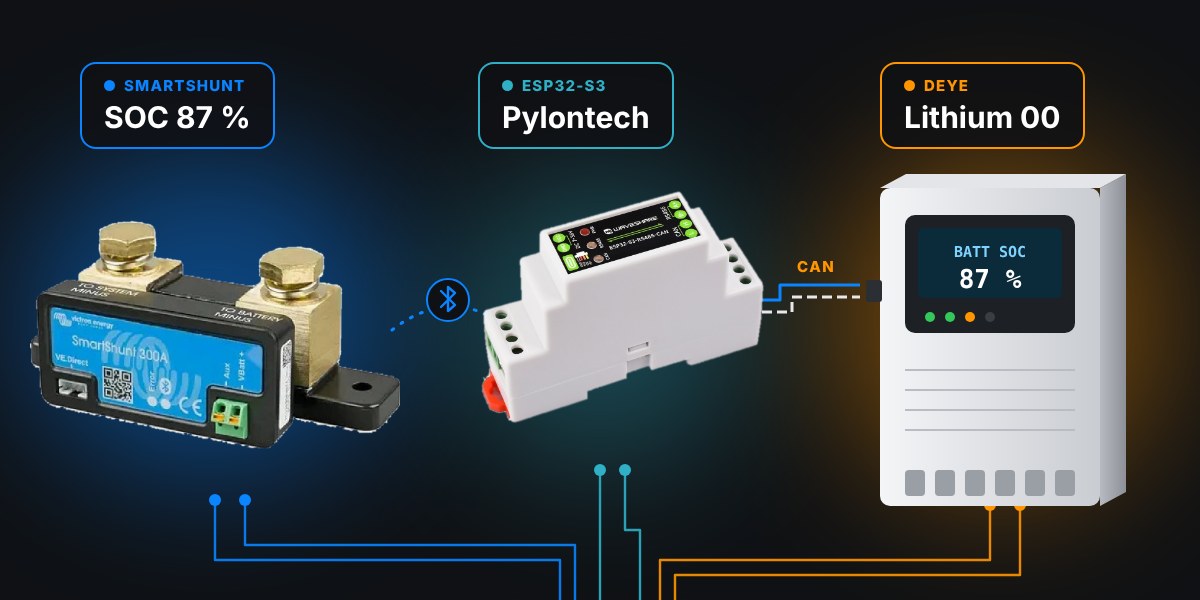
On top of that a Victron SmartShunt measures the whole bank. That is my source of truth – I do not trust the battery data from the Deye inverter. BMS state of charge drifts in winter, the SmartShunt measures precisely. How I got its data into the inverter is in Accurate SOC in a Deye inverter.
What it produces and what we use
Solar production in recent months:
| Month 2026 | Solar production |
|---|---|
| July | 2,281 kWh |
| August | 2,037 kWh |
| September | 1,512 kWh |
| October | 1,099 kWh |
Without the car the house uses 15 to 20 kWh a day. Including the car it is 1,200 to 1,345 kWh a month. Our heating is mainly a gas boiler; the electric underfloor heating downstairs is just an alternative. Solar production drops in winter, so then I charge the battery from the grid at the low tariff.
You can see how it looks right now on the home page in the “How our house works” card. My Home Assistant sends the numbers every 5 minutes.
Car and wallbox on the same cable
We charge a Tesla Model Y at home with a SmartEVSE wallbox (3-phase, 6–16 A, so up to ~11 kW). The inverter and the wallbox share one cable, so I keep the draw under 12 kW. Once I hit the limit of the main breaker – the car was charging while the battery was charging from the grid. Since then logic in Home Assistant guards it.
How I run it all
Everything goes through Home Assistant. It reads the inverter, the BMS, the SmartShunt and the wallbox and switches the Deye modes according to a plan.
I buy electricity at a fixed two-rate tariff (ZSE, DD3 rate) and since September 2026 I sell at spot prices (V-elektra, OKTE spot − €15/MWh). The battery charges at the cheap low tariff and sells in the most expensive 15-minute slots. My own integration AI Energy does the planning.
In detail:
- A battery that trades – a real day in a chart, Deye settings and monthly numbers.
- AI Energy – how the integration plans buying and selling.
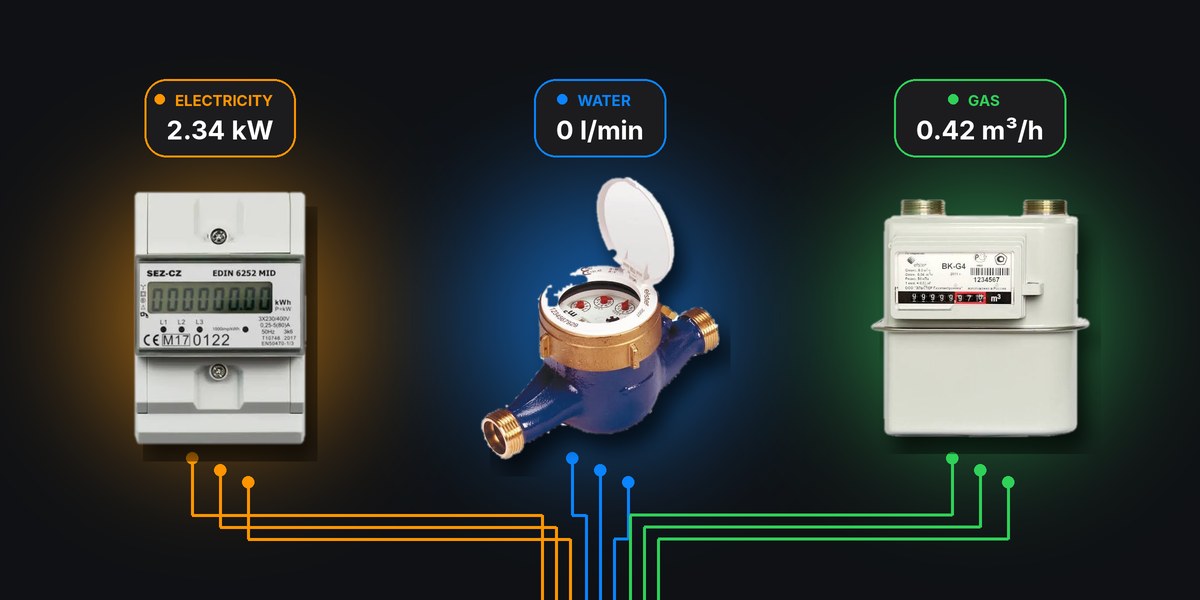
- Start your smart home with metering – how I measure consumption per circuit.
What it cost and what it brings
The whole solar system with the battery cost about €8,000, the battery about €3,500 of that.
From electricity alone (sales minus purchases) I made €95 in July and August with the virtual battery. In September and October, already on spot and with less sun, €352. How that is possible is explained in A battery that trades.
What I would do differently today
I would do it all properly in one go. I built my solar system step by step – the whole story, mistakes included, is in My solar journey.