Do you even need a smart home? Comfort, security and savings

A smart home isn't for everyone – and that's fine. If you want one, it covers three things – comfort, security and efficiency, often with one device at once. If you enjoy it and want your house under control, go the Home Assistant way. If a few simple automations are enough, buy a ready-made system and accept its limits.
Today almost every other appliance is "smart", and it often doesn't cost much more than its ordinary sibling. But the question remains: what is it all good for? What does smart lighting, heating, a fridge or a TV actually add?
There's no single answer. Some people want their house under control and to know what's going on in it. Others do it as a hobby, some track energy savings and some simply want more comfort. When these needs meet, we're talking about home automation enthusiasts.
Two honest answers
To the question "do I need a smart home?" there are really only two answers.
No, I don't. Why complicate things – if they work, let them keep working. There's nothing wrong with that. Not everyone needs a smartphone or a car full of digital gadgets. A smart home isn't for everyone, and in many cases it brings more frustration than benefit.
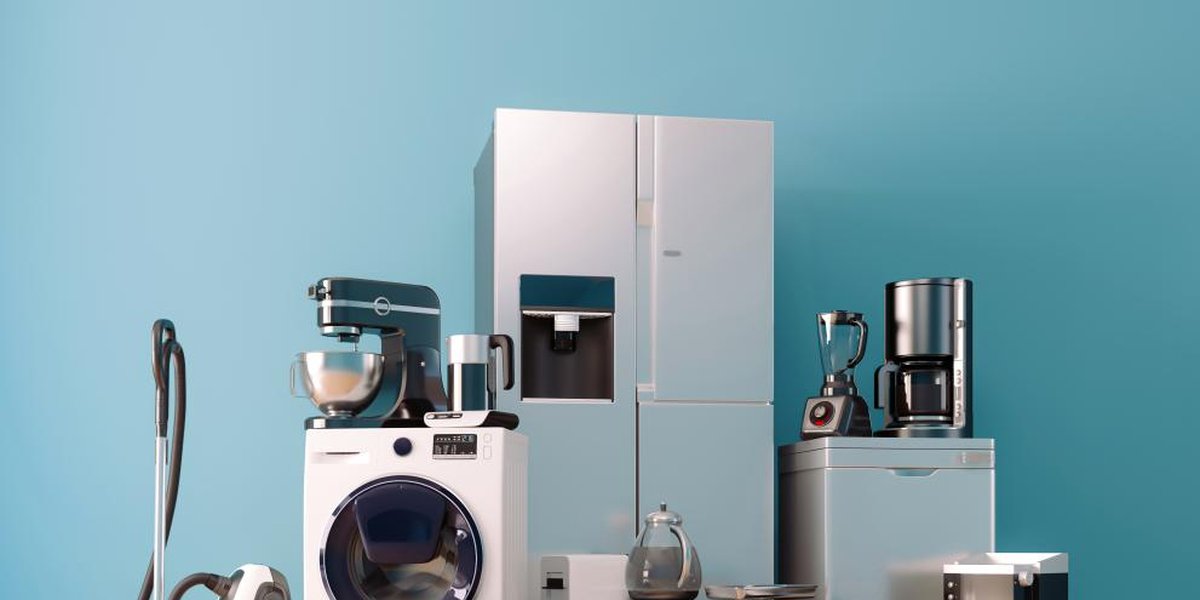
But smart homes now push their way even to people who don't want them. A new washing machine with an app that notifies you when the wash is done – and you already have a "smart" device at home.
Yes, it gives me something. Then the question is how far to go. Whether to just connect what is already smart, or gradually make non-smart devices smart too. In the second case it pays to follow a few rules to avoid unnecessary complications – I wrote them down in the 6 rules.
Three things a smart home solves
A smart home covers three basic areas. Each can matter differently to different people:
| Area | What it means | Example |
|---|---|---|
| Comfort | Things happen on their own, or you control them from anywhere | The light turns on when you walk in, each room has its own temperature |
| Security | You know what's going on at home even when you're away | A notification about an open door, a water leak or movement around the house |
| Efficiency | You spend less energy and money | No lights or heating where they aren't needed |
One device, several jobs
The biggest strength of a smart home is that one device often serves several purposes at once:
- Automated lighting brings comfort, saves energy (no lights where they aren't needed) and improves security – it can simulate that you're at home.
- Automated heating sets the temperature for each room separately and in the end lowers your energy bills.
- A window or door sensor can adjust the heating, help secure the house and tell you the kids got home safely.
What matters to you is entirely up to you.
Ready-made system or Home Assistant?
Once you decide you want a smart home, the first big question is which system (hub) to choose. My recommendation:
- Do you enjoy it, are you at least a bit technical and want your house under control? Go the Home Assistant way, or integrated solutions like Homey or Hubitat. That's what this whole site is about.
- You don't expect much and a few simple automations are enough? Then solutions like IKEA, Aqara, Amazon Alexa or Google Home are the right way. But expect significant limits – it's usually a closed system from one vendor that needs the cloud and the internet.
If you've chosen Home Assistant, continue with the Start here series. If you first want to know what kinds of smart devices exist, read what counts as a smart device.