Smart home brands – what lasted in my house and what ended up in the bin

I don't stick to one brand – I pick by device type. Shelly for in-wall modules, Aqara for battery sensors, Fibaro for Z-Wave, ESP32 for DIY projects, Tado X for radiator valves, UniFi for WiFi. IKEA is the best value, but with caveats. Tuya never clicked with me, and neither did battery-powered Shelly.
Which smart home brand should you buy? That's the question I get most often. The answer is simple and not simple at the same time: I don't recommend one brand for everything. Every maker is good at something different. And every user may be happy with something different.
I've had a smart home since 2013 and today our house has 311 devices in Home Assistant. This is a summary of what has lasted, what works with caveats and what ended up in the bin.
Summary table
| Brand | What I use it for | Verdict |
|---|---|---|
| Shelly | in-wall modules, energy metering | ✅ recommended (not the battery ones) |
| Aqara | battery sensors, W100 panels, G5 camera | ✅ recommended |
| Sonoff | WiFi and Zigbee modules | ✅ recommended |
| Fibaro | Z-Wave modules from my first install | ✅ reliable, pricier |
| ESP32 | DIY projects | ✅ made for it |
| Tado X | radiator valves in the flat | ✅ pricier, but the only ones that lasted |
| UniFi | WiFi network | ✅ no question |
| Hikvision | cameras | ✅ most settings |
| IKEA | bulbs, remotes | ⚠️ best value, with caveats |
| Lidl | doorbell button | ⚠️ works, but bulky |
| Tuya | – | ❌ didn't work for me |
Shelly – in-wall modules
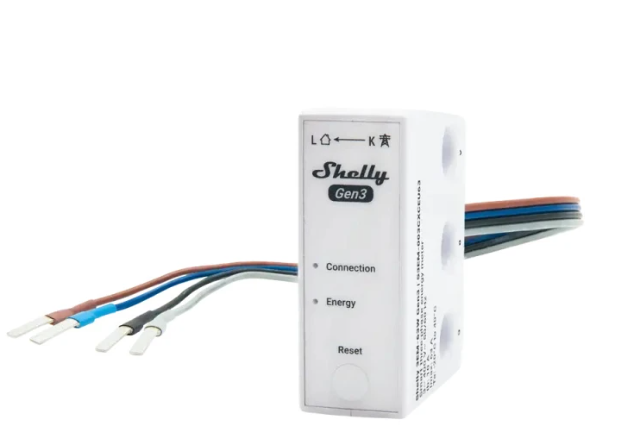
Shelly is my number one for modules that hide behind the original wall switch. The newer generations are extremely versatile and reliable:
- WiFi and Zigbee – pick based on the network you're building,
- local control without the cloud – the module works even when Home Assistant is down,
- a great price.
The first generations had capacitor problems and died after 2–3 years. Newer versions no longer have that issue.
Battery-powered Shelly devices didn't work out for me, though. For battery sensors I'd rather use Aqara.
Aqara – battery sensors
For temperature, motion and open doors or windows I use Aqara. The sensors are small, good-looking and reliable, and the batteries last incredibly long.
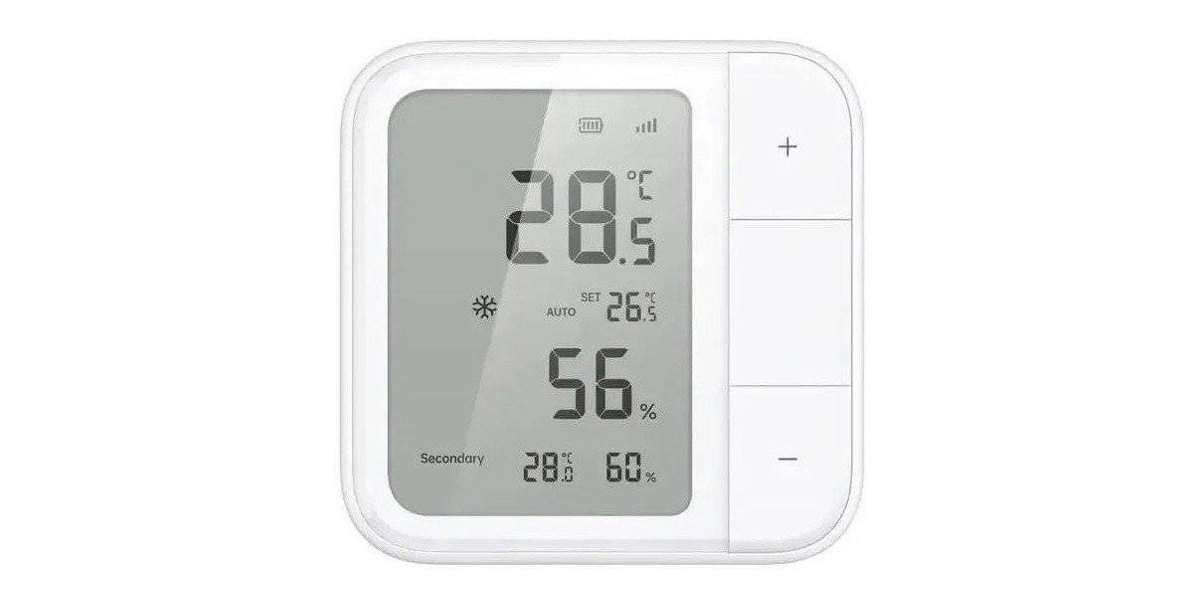
Every room also has an Aqara W100 panel – it shows the temperature and sets how warm the room should be.
Sonoff – a big range for sensible money
Sonoff offers great value and a huge range of modules for both WiFi and Zigbee. Zigbee relays also strengthen your Zigbee network, because they act as routers.
Fibaro – Z-Wave that doesn't fail
I still have the Fibaro Z-Wave modules from my very first install. Not a single one has died and they all still work. They're a bit pricier. How I started with Fibaro is in my smart home journey.
ESP32 – for DIY projects
For DIY home projects the ESP32 is made for the job – for example the ESP32-C6 mini, ESP32 WROOM or a similar alternative. It costs a few euros and with ESPHome you flash it without programming. What runs on it in our house is in ESP32 – my projects.
Tado X – radiator valves
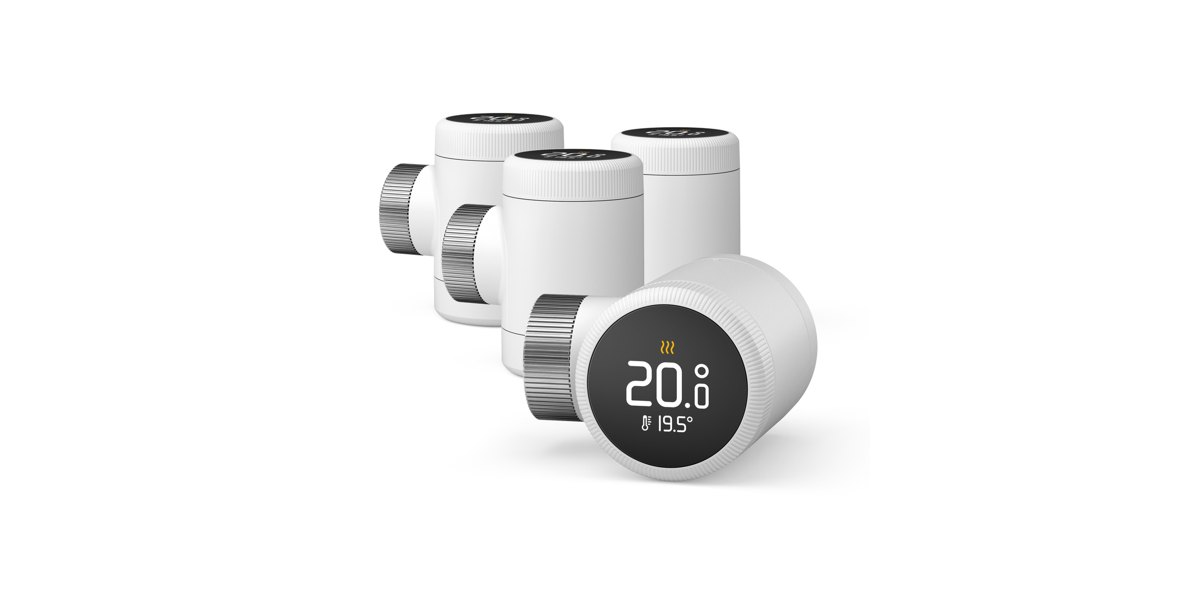
Radiator valves were my longest search. Aqara, Tuya and older versions of the Popp and Danfoss valves all ended up in the bin. What finally lasted was Tado X:
- quiet,
- rechargeable batteries via USB-C that last the whole season,
- beautiful design and pleasant controls.
The downsides: they're pricier, work only over Matter and need their own bridge.
UniFi – the WiFi network
For WiFi it's UniFi, no question. When dozens of WiFi devices run at home, a good network is the foundation – more in Zigbee, WiFi, Z-Wave or Matter.
Cameras – Hikvision and Aqara G5
I have Hikvision and Aqara G5 cameras. Both do colour night vision. Hikvision has more settings.
IKEA – best value, with caveats
IKEA is the best value for money. Their smart bulbs are excellent when it comes to light output.
But there are catches:
- pairing is a big problem, and sometimes stability too,
- battery devices occasionally drop out and often eat batteries,
- since 2025 IKEA sells Matter devices only.
Lidl – works, but bulky
Lidl's smart devices work, but they're rather bulky. One exception is a favourite of mine: the doorbell button. It's weatherproof – it has been outside in sun and rain for over 2 years and still works.
Tuya – never clicked with me
Tuya can be controlled locally, but most devices push a cloud connection. That goes against my rules – the house must work without the internet. This brand never clicked with me. Maybe I'm being unfair to it, but I don't miss it.
Takeaways
- Choose by device type, not by brand. In-wall modules, sensors and radiator valves are three different worlds.
- Local control without the cloud – the house must work even when the internet doesn't.
- Battery devices are the biggest lottery – this is where a proven brand pays off.
- With radiator valves I threw out three brands before I ended up with Tado X.
Not sure which "language" your devices should speak? Start with Zigbee, WiFi, Z-Wave or Matter. More answers are in the FAQ.